
Dental Implant vs Dental Bridge in Warrenton, VA: Which Option Is Better for Missing Teeth?
If you are missing a tooth or dealing with multiple missing teeth, you may already know you need treatment but feel unsure about which option makes the most sense. Many patients comparing dental implants in Warrenton, VA, with a dental bridge want to know which solution will last longer, feel better, and protect their oral health over time.
Both dental implants and bridges are common, effective tooth replacement options, but they work very differently. The best choice depends on your long-term goals, your oral health, and your lifestyle. In this guide, we’ll explain dental implants vs bridge treatment in simple terms so you can better understand your options and feel more confident about your next step.
Dental Implants vs Dental Bridges: What’s the Difference?
Before choosing between a dental implant and a dental bridge, it helps to understand how each one works. Both options replace missing teeth, but they do it in very different ways. This matters because the way a tooth is replaced can affect your jawbone, your nearby teeth, and how the restoration holds up over time.
What Is a Dental Implant?
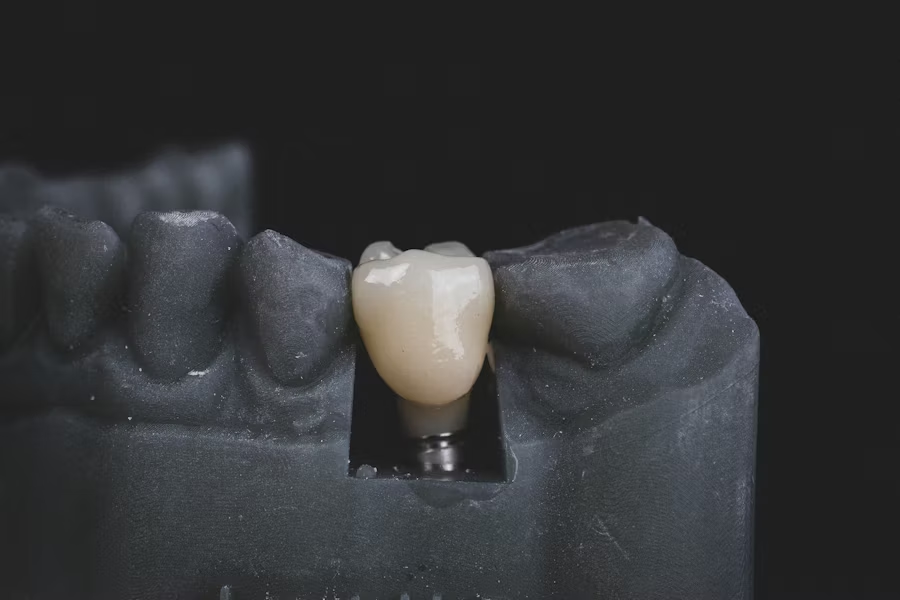
A dental implant is a small titanium post placed into the jawbone where the missing tooth root used to be. It acts like an artificial tooth root and creates a stable base for a new tooth. Over time, the implant bonds with the bone through a process called osseointegration.
After healing, an abutment connects the implant to a custom dental crown that sits on top. This makes dental implants in Warrenton a strong, permanent tooth replacement option for many patients. Because the implant stands on its own, it does not depend on or change the teeth next to it.
What Is a Dental Bridge?
A dental bridge fills the gap left by a missing tooth with an artificial tooth that is supported by the adjacent teeth. To hold the bridge in place, the neighboring teeth are reshaped so dental crowns can fit over them. This makes the bridge a fixed, non-removable restoration.
A dental bridge in Warrenton is a common option in restorative dentistry, especially when the teeth next to the gap already need crowns. Still, because the bridge relies on adjacent teeth for support, it requires enamel reduction and places more long-term responsibility on those teeth.
Which Option Lasts Longer? Dental Implant vs Bridge Lifespan
When comparing dental implant vs bridge, one of the biggest questions is how long each option will last. For many patients, this affects not just function, but also long-term cost and how often they may need future treatment. If you want a restoration that holds up well over time, lifespan matters.
How Long Do Dental Implants Last?
Dental implants are built to be a long-term tooth replacement solution. In many cases, they last 20 years or more, and some last for decades or even a lifetime with proper care. The dental implant lifespan is one of the main reasons patients choose this option.
Dental implants also have a high success rate when placed in healthy conditions and well-maintained. Because the titanium implant fuses with the jawbone through osseointegration, it creates a strong base for the final crown. This stability helps support normal bite force and long-term function.
How Long Do Dental Bridges Last?
Dental bridges usually last about 7 to 15 years. The dental bridge lifespan depends on daily hygiene, bite pressure, and the health of the teeth supporting the bridge.
Patients often ask how long do dental bridges last, and the answer varies from person to person. Some bridges last longer, but many need replacement over time because the supporting teeth take on extra stress. That makes bridges effective, but not usually the longest-lasting option.
Why Longevity Matters for Warrenton Patients
A tooth replacement should work well now, but it should also make sense years from now. A restoration that needs to be replaced more often can increase your long-term cost and lead to more appointments over time.
A longer-lasting option may also mean fewer replacements and less invasive future care. For many Warrenton patients, that makes dental implants a better long-term investment, even if the upfront cost is higher.
Dental Implants Help Preserve Jawbone — Bridges Do Not
One of the biggest differences between implants and bridges is what happens below the gumline. This matters because replacing a missing tooth is not just about filling the space. It is also about protecting the bone that supports your smile over time.
What Happens to Bone After Tooth Loss?
When a tooth is lost, the jawbone in that area stops getting the stimulation it normally receives from the tooth root. Over time, this leads to bone resorption, which means the bone begins to shrink.
As that bone shrinks, facial structure can change. Patients may notice a sunken appearance in the area of tooth loss, especially when several teeth are missing. Bone loss can also affect the support around nearby teeth.
How Dental Implants Prevent Bone Loss
For patients exploring dental implants in Warrenton, one major benefit is bone preservation. A dental implant is placed into the jawbone, where it mimics a natural tooth root. As you chew, it helps stimulate the jawbone in a way that supports ongoing bone health.
Because the implant fuses with the bone through osseointegration, it becomes part of the support system in that area. This helps maintain jawbone density and makes implants different from a bridge, which only replaces the visible part of the tooth.
Why This Matters for Long-Term Oral Health
Preserving jawbone supports more than chewing. It also helps maintain facial aesthetics and reduces the risk of a sunken appearance over time. That can make a real difference in how natural your smile looks as the years go on.
Bone support also helps keep surrounding teeth more stable. When bone loss continues, nearby teeth may shift, the bite can change, and future treatment may become more complicated.
Impact on Neighboring Teeth: Implants vs Bridges
When choosing between dental implants and a dental bridge, it helps to look beyond the gap itself. The way each treatment affects the neighboring teeth can make a big difference in long-term oral health.
Dental Implants Stand Alone
Dental implants stand on their own and do not rely on adjacent teeth for support. Because the implant is placed in the jawbone, the teeth next to the space stay untouched.
This helps preserve natural tooth structure and avoids unnecessary treatment on healthy teeth. For many patients, that is a major advantage when comparing implant vs bridge options.
Dental Bridges Require Altering Healthy Teeth
A dental bridge depends on the adjacent teeth for support. To place the bridge, those teeth must be reshaped through enamel reduction so crowns can fit over them securely.
This changes healthy teeth permanently and can create more long-term risk. The supporting teeth take on extra bite pressure, which may increase wear and raise the chance of future dental work. In restorative dentistry, this is one of the biggest tradeoffs between a bridge and an implant.
Cost Comparison: Dental Implant vs Bridge in Warrenton, VA
Cost is one of the most common concerns when choosing between a dental implant and a dental bridge. Many patients want to understand not only the upfront cost, but also what they may spend over time.
Upfront Cost Differences
For patients considering dental implants in Warrenton, VA, the upfront cost is usually higher than that of a dental bridge. This is because the dental implant process includes surgical placement, healing time, and a custom dental crown.
A dental bridge generally has a lower initial cost. It does not require surgery and can often be completed in a shorter timeframe. For patients focused on immediate affordability, a bridge may feel like the easier starting point.
Long-Term Value and Replacement Costs
When looking at a cost comparison of implants vs bridge options, long-term value becomes an important factor. Dental bridges often need to be replaced every 7 to 15 years, especially as the supporting teeth experience wear.
Each replacement adds to the total cost over time. In some cases, additional dental work may also be needed if those supporting teeth develop problems.
Dental implants are designed to last much longer. While the crown may need maintenance after many years, the implant itself can remain stable for decades. This reduces the need for repeated procedures and helps control long-term costs.
Which Option Is More Cost-Effective Over Time?
For many patients, dental implants offer better long-term value. Even with a higher upfront cost, fewer replacements and fewer complications can make implants a better long-term investment.
When comparing dental implants vs bridge options, it helps to think beyond the initial price. A solution that lasts longer and requires less ongoing care can provide more predictable results and greater value over time.
Treatment Timeline: How Long Does Each Option Take?
Another factor to think about is how long each treatment takes from start to finish. Some patients want the fastest way to replace a missing tooth, while others are more focused on getting the longest-lasting result.
Dental Implant Timeline
Dental implant treatment happens in stages. First, the titanium implant is placed into the jawbone. Then the area needs time to heal while the implant bonds with the bone through osseointegration.
This healing period often takes several months. After that, the abutment and dental crown are placed to complete the restoration. The process takes longer, but it creates a stable foundation for long-term function.
Dental Bridge Timeline
A dental bridge is usually completed much faster. In many cases, treatment takes only a few weeks.
The teeth next to the gap are prepared, impressions are taken, and a custom bridge is made. Once it is ready, the bridge is placed and adjusted so it fits comfortably.
Choosing Between Speed and Longevity
If you need a quicker solution, a dental bridge may make more sense. It can restore appearance and chewing function sooner.
If your main goal is long-term strength and stability, a dental implant may be worth the longer process. The right choice depends on how quickly you need treatment and what matters most to you long-term.
Comfort, Function, and Bite Strength Comparison
When choosing a tooth replacement option, comfort and function matter just as much as appearance. You want a solution that feels natural, lets you chew comfortably, and supports normal bite force.
How Dental Implants Feel and Function
Dental implants are designed to feel and function like natural teeth. Because the implant is anchored in the jawbone, it provides strong support for chewing, speaking, and daily use.
This stability helps restore bite force more effectively than most other tooth replacement options. Many patients find that an implant-supported crown feels secure and natural because it stays in place and functions much like a real tooth.
How Dental Bridges Perform Over Time
Dental bridges provide good function and can make chewing and speaking easier after tooth loss. They can restore comfort and appearance well, especially in the short to medium term.
Over time, though, a bridge may feel slightly less stable than an implant because it depends on adjacent teeth for support. Those teeth carry more pressure during chewing, which can affect long-term performance and stability.
Which Option Is Better for Different Situations?
The best tooth replacement option depends on your oral health, your timeline, and what you want from treatment long-term. While dental implants are often the better choice, a dental bridge may still make sense in some situations.
When a Dental Implant Is Usually the Better Choice
A dental implant is usually the better choice when you have healthy bone and want a long-term solution. It is often the best option for single tooth replacement because it replaces the missing tooth without changing the teeth next to it.
Implants also work well for patients who want to preserve jawbone support and avoid extra stress on nearby teeth. For many people, this makes an implant the stronger long-term option.
When a Dental Bridge May Be Recommended
A dental bridge may be recommended when the adjacent teeth are already damaged or already need crowns. In that case, using those teeth to support a bridge may make practical sense.
A bridge may also be the better option when a faster solution is needed or when medical limitations make implant surgery less ideal. This can include patients with health concerns or limited bone support that affects implant planning.
Replacing Multiple Missing Teeth: Other Options
When several teeth are missing, other options may be more appropriate than replacing each tooth one by one. Patients considering full mouth dental implants in Warrenton, VA, may be candidates for implant-supported bridges, All-on-4, or full arch dental implants.
These options can restore many teeth with fewer implants and provide a stable, fixed solution for chewing, speaking, and smiling. For patients with major tooth loss, they can offer a more complete long-term treatment approach.
Dental Implant vs Bridge: Pros and Cons Comparison
Looking at the pros and cons side by side can make it easier to choose the option that fits your needs. Both treatments can replace missing teeth, but they come with different tradeoffs.
Pros and Cons of Dental Implants
Pros:
- Can provide a long-term or permanent tooth replacement
- Helps preserve jawbone and reduce bone loss
- Does not affect adjacent teeth
- Does not require enamel reduction on healthy teeth
- Offers strong bite force and a natural feel
- Supports long-term facial structure and oral health
Cons:
- Higher upfront cost
- Longer treatment timeline because healing takes time
- Requires a minor surgical procedure
- May require bone grafting in some cases
Pros and Cons of Dental Bridges
Pros:
- Lower upfront cost
- Faster treatment timeline, often completed in a few weeks
- Does not require surgery
- Restores appearance and chewing function well
Cons:
- Requires enamel reduction on adjacent teeth
- Places extra pressure on supporting teeth
- Usually needs replacement sooner than an implant
- Does not help prevent jawbone loss
- May feel less stable over time than an implant
How to Choose the Right Tooth Replacement Option in Warrenton, VA
Choosing between a dental implant and a dental bridge is not always simple. Each option has benefits, and the right choice depends on your oral health, your goals, and what you want from treatment over time.
There is no one-size-fits-all answer. The best way to decide is through a professional evaluation that includes an exam, digital X-rays, and a close look at your jawbone and surrounding teeth.
If you have enough bone support and want a long-term solution, dental implants in Warrenton are often the stronger option. If you need a faster treatment or have factors that make surgery less ideal, a bridge may make more sense.
If you are searching for an implant dentist near me, the next step is a personalized consultation. A careful evaluation can help you compare your options clearly and choose the treatment that best fits your smile, function, and long-term needs.
FAQs About Dental Implants vs Bridges
Is a dental implant better than a bridge?
In many cases, a dental implant is the better long-term option because it lasts longer, helps preserve the jawbone, and does not affect adjacent teeth. However, a dental bridge may still be recommended if you need a faster solution or are not a candidate for implant surgery. The right choice depends on your oral health and goals.
How long do dental bridges last?
Dental bridges usually last between 7 and 15 years. The dental bridge lifespan depends on oral hygiene, bite pressure, and the condition of the supporting teeth. Many bridges will need replacement over time.
Do dental implants last forever?
Dental implants are designed to last for decades and often last 20 years or more. In many cases, the implant itself can last a lifetime with proper care, while the crown may need replacement over time.
Is getting a dental implant painful?
Most patients find that dental implant treatment is more comfortable than expected. The procedure is done with local anesthesia, and sedation may be available if needed. Some soreness afterward is normal, but usually mild and temporary.
Which option looks more natural?
Both dental implants and bridges can look very natural. Over time, dental implants often maintain a more natural appearance because they support the jawbone and help prevent changes in facial structure.
Can I replace multiple teeth with implants?
Yes, dental implants can replace multiple missing teeth. Options such as implant-supported bridges, full arch restorations, and All-on-4 dental implants allow several teeth to be replaced with fewer implants while still providing a stable, fixed solution.
Get Expert Guidance on Dental Implants and Bridges in Warrenton, VA
If you are missing a tooth and trying to decide between a dental implant or a bridge, the best next step is a personalized evaluation. At Yung and Jelinek Family Dentistry, we help patients in Warrenton, VA, choose the right long-term solution based on their oral health, goals, and budget.
Whether you are considering dental implants in Warrenton or a dental bridge, our team will guide you through your options and create a treatment plan that restores your smile and function. We will evaluate your dental health, review your jawbone support, and help you understand which option makes the most sense for your needs.
If you are ready to move forward with tooth replacement, schedule a consultation with our Warrenton dental team today.

Categories: Restorative Dentist | Published: April 8, 2026
