
Can You Replace an Implant Crown Without Replacing the Entire Dental Implant in Warrenton, VA?
If your implant crown has chipped, cracked, loosened, or simply does not look the way it used to, your first thought may be that something has gone seriously wrong. Many patients assume that any problem with their implant means the whole thing needs to come out and start over.
That is usually not the case.
A dental implant is made of separate components, and problems with the crown do not automatically mean the implant post has failed. In many situations, replacing the crown alone is possible, faster, less invasive, and far less costly than replacing the entire implant.
This article explains how implant crowns and implant posts work, when crown replacement is an option, when a more involved evaluation is needed, and what the restoration process looks like at our Warrenton dental office.
Understanding the Difference Between a Dental Implant and an Implant Crown
A Dental Implant Is Made of Multiple Components
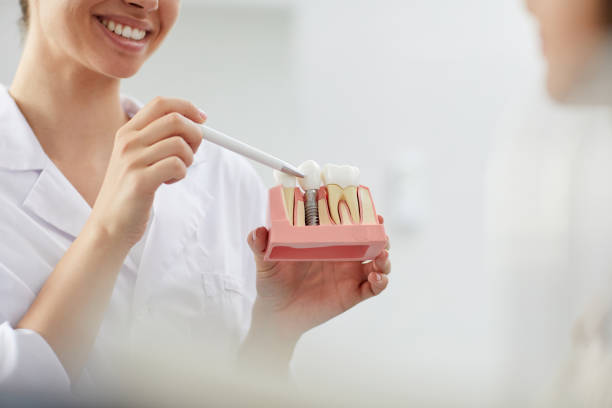
Most patients use the word “implant” to describe the whole tooth replacement. Clinically, a dental implant is actually a system made of three distinct parts.
The titanium implant post is a small screw-shaped fixture placed surgically into the jawbone. Over time, the bone fuses to this post through a process called osseointegration. Once that integration is complete, the post becomes a stable foundation anchored in the jaw.
The abutment is a connector piece that attaches to the top of the implant post. It sits just above the gumline and serves as the attachment point for the crown.
The implant crown is the visible, tooth-shaped restoration that sits on top of the abutment. This is the part that looks and functions like a natural tooth.
When patients who need implant restoration in Warrenton, VA, come to us concerned about their implant, the issue often turns out to involve only the crown or abutment, not the post itself.
Why the Implant Post Often Lasts Longer Than the Crown
The titanium post is protected inside the jawbone. It does not experience the same daily wear as the crown above it.
The implant crown, on the other hand, takes the full force of chewing, biting, and grinding with every meal. Over years of use, crowns made from porcelain or other materials can chip, crack, stain, or gradually wear down.
This means the implant fixture may remain completely stable and well-integrated while the crown above it needs attention. The two components can age at very different rates, which is exactly why replacing just the crown is often a straightforward option.
Can an Implant Crown Be Replaced Without Removing the Implant?
In Many Cases, the Answer Is Yes
Yes. If the implant post remains stable and the bone around it is healthy, implant crown replacement can often be completed without disturbing the post at all.
Situations where replacing only the crown may be appropriate include:
- A cracked or chipped implant crown from biting hard food or an accidental impact
- A worn implant crown that has thinned or flattened over the years of use
- A crown that has loosened at the abutment connection
- Cosmetic concerns such as discoloration, shape changes, or a poor match with surrounding teeth
- A crown that no longer fits properly due to changes in your bite
Patients searching for implant crown replacement in Warrenton, VA, are often relieved to learn that their post may be perfectly intact and that restoring the implant does not require surgery.
Why Preserving the Existing Implant Is Usually Preferred
When the implant post is stable and osseointegration is intact, preserving that foundation is almost always the better path.
Replacing only the crown means:
- No surgical procedure to remove and replace the post
- Shorter treatment time
- Lower overall cost
- No disruption to the bone that has already grown around the implant
- Faster return to normal chewing function
This approach reflects our focus on restorative dental care in Warrenton that protects what is already working while addressing what needs attention.
Signs Your Implant Crown May Need Replacement
Cracks, Chips, and Visible Damage
A crack or chip in a porcelain or zirconia crown does not always cause pain right away, but it should not be ignored. Even small fractures can worsen over time with continued bite pressure.
If you notice a rough edge, a visible line in the crown, or a piece that has broken off, schedule an evaluation. The post beneath it may be completely unaffected.
Crown Loosening or Movement
A crown that moves, feels unstable, or makes a clicking sound when you bite may have a loosened abutment screw or a detached cement bond. In many of these cases, the crown or abutment can be reattached or replaced without touching the implant post.
Implant screw loosening is a relatively common issue and does not indicate implant failure on its own. It does require prompt attention to prevent further damage.
Changes in Appearance Over Time
Implant crowns can discolor, especially porcelain versions, when exposed to staining foods, beverages, or tobacco over time. They can also begin to look different if your surrounding natural teeth have shifted or changed color.
A cosmetic implant crown replacement can restore a natural-looking result without replacing the entire implant.
Wear from Grinding or Heavy Biting Forces
Patients who grind their teeth place significantly more force on their implant crowns than normal chewing does. Over time, this can flatten, thin, or crack a crown even when no single incident caused obvious damage.
A worn implant crown from grinding is one of the more common reasons patients seek implant restoration care. Addressing the crown and protecting the remaining implant with a nightguard can prevent the same problem from recurring.
When Replacing the Crown Alone May Not Be Enough
Implant Abutment Damage
The abutment connects the crown to the implant post. If the abutment itself has cracked, bent, or corroded, it will need to be replaced along with the crown.
Abutment replacement is still a much less involved procedure than replacing the implant post. In most cases, it does not require surgery, though the dentist will need to access the implant connection point during the appointment.
Peri-Implantitis and Bone Loss Around the Implant
Peri-implantitis is an infection affecting the tissue and bone surrounding an implant. It is caused by bacterial buildup at the implant site and shares similarities with gum disease.
Signs may include:
- Redness or swelling in the gum tissue around the implant
- Bleeding when you brush near the implant
- Pain or tenderness at the site
- Visible bone loss on X-ray imaging
When peri-implant disease has caused significant bone loss, replacing the crown alone will not solve the underlying problem. The infection must be treated, and bone levels must be evaluated before any restoration work can be completed successfully.
Implant Failure and Loss of Stability
In rare cases, the implant post itself fails to maintain integration with the jawbone. This can happen due to infection, significant bone loss, certain medical conditions, or trauma.
Signs of implant instability include movement of the implant post itself, pain that originates from deep within the jaw, or visible changes in bone on imaging. If the post is no longer stable, a new implant would be required before any restoration can take place.
This situation is less common than crown-level damage, but it is why a proper evaluation matters before any implant restoration work begins.
How Dentists Determine Whether the Implant Can Be Saved
Evaluating Implant Stability
The dentist will check whether the implant post is firmly anchored in the bone. A stable implant will not move when pressure is applied. Any detectable movement in the post itself signals a more serious concern that needs further evaluation.
Checking Bone Levels Around the Implant
Digital X-rays and, when needed, three-dimensional CBCT imaging allow the dentist to see the bone surrounding the implant post. Healthy bone levels indicate that the post remains well-integrated. Visible bone loss around the implant raises questions about the site’s long-term health.
Assessing Crown and Abutment Condition
Once bone and stability have been confirmed, the crown and abutment are examined closely. The dentist will look for visible damage, test the connection between components, and evaluate how the crown meets the opposing teeth in your bite.
This full evaluation at a dental implant consultation in Warrenton helps determine whether the issue is limited to the crown, involves the abutment, or requires a deeper look at the implant post.
What Is the Process of Replacing an Implant Crown?
Removing the Existing Crown
Implant crowns are attached using one of two methods. Screw-retained crowns are held in place with a small screw and can typically be removed without damaging the surrounding area. Cement-retained crowns are bonded in place and require careful removal to avoid disturbing the abutment below.
In either case, removal is generally straightforward when the post and abutment are intact.
Evaluating the Implant Connection
Once the crown is off, the dentist examines the abutment and implant connection directly. This confirms whether the abutment is in good condition and whether the implant platform is clean and stable.
Designing a New Implant Crown
A new custom implant crown is fabricated to match the size, shape, and color of your surrounding teeth. Zirconia crowns are commonly used for their strength and natural appearance. Porcelain options are also available depending on the location of the tooth and the patient’s preferences.
Digital scanning technology allows for accurate crown design without the need for traditional impressions in many cases.
Final Placement and Bite Adjustment
Once the new crown is ready, it is placed on the abutment and secured. The dentist checks your bite carefully to confirm that the crown meets opposing teeth evenly and that chewing forces are distributed properly.
Most patients resume normal function shortly after the appointment. This local dental implant restoration process is designed to be efficient and comfortable.
How Long Do Implant Crowns Typically Last?
Factors That Affect Implant Crown Longevity
Implant crown lifespan varies based on several factors:
- Location of the implant (molar crowns experience more force than front tooth crowns)
- Crown material
- Oral hygiene habits
- Whether the patient grinds or clenches
- Regular dental checkups and maintenance
Materials Used for Implant Crowns
Zirconia crowns are among the most durable options available and are commonly used for back teeth, where bite forces are higher. They resist chipping and wear well over time.
Porcelain crowns offer excellent aesthetics and are often preferred for front teeth, where appearance matters most. They can be more susceptible to chipping than zirconia under heavy force.
With proper care, many implant crowns last 15 years or longer. The long-term savings of dental implants become more apparent over time when the post remains intact, and only the crown needs periodic attention.
Oral Hygiene and Maintenance
Regular brushing and flossing around the implant, combined with routine professional cleanings, directly affect how long an implant crown performs well. Bacterial buildup around the implant site is one of the leading causes of complications that can shorten the crown and implant lifespan.
How to Protect Your Implant Crown for Long-Term Success
Daily Oral Hygiene Habits
Brush twice daily using a soft-bristle toothbrush. Floss around the implant crown daily, or use an interdental brush or water flosser to clean between the implant and adjacent teeth. Keeping the area around the crown clean protects both the crown and the gum tissue below it.
Nightguards for Teeth Grinding
If you grind or clench your teeth at night, a custom nightguard can significantly reduce the force placed on your implant crown during sleep. This is one of the most effective steps a patient can take to extend the life of their restoration.
Grinding puts more pressure on crowns than normal chewing does, and over time that pressure leads to wear, cracking, or loosening. Our TMJ and teeth grinding treatment page covers the symptoms and options in more detail if this is something you are already managing.
Ask about a custom nightguard at your next implant checkup if grinding is a concern.
Routine Implant Checkups
Routine implant exams allow the dentist to monitor the crown, abutment, and bone levels over time. Catching small problems early, such as minor loosening or early-stage wear, prevents them from becoming larger issues that require more involved treatment.
Dental implant maintenance in Warrenton at regular intervals is one of the simplest ways to protect your long-term implant investment.
FAQs About Implant Crown Replacement
Can a dental implant crown be replaced without removing the implant?
Yes. If the implant post is stable and the bone around it is healthy, the crown can often be replaced without any surgical procedure. The post stays in place while the worn or damaged crown is removed and a new one is fabricated and attached.
How much does implant crown replacement cost?
Implant crown replacement cost depends on the crown material, whether the abutment also needs replacement, and the complexity of the procedure. It is generally significantly less expensive than placing a new implant from the beginning. Your treatment coordinator can provide a clear cost estimate after your evaluation.
How long does an implant crown last?
Many implant crowns last 15 years or more with proper care. Crown lifespan depends on the material used, the location of the tooth, bite forces, and how consistently the patient maintains good oral hygiene and attends routine implant checkups.
Can a loose implant crown be repaired?
In many cases, yes. A loose implant crown may simply have a loosened abutment screw or a failed cement bond. Both are addressable without replacing the implant post. The dentist will determine the cause of loosening and decide whether the existing crown can be reattached or whether a replacement crown is needed.
How do I know if my implant or crown is damaged?
Signs to watch for include visible cracking or chipping, movement or clicking when you bite, discomfort around the implant site, swelling or bleeding in the surrounding gum tissue, or a crown that feels different than it used to. An evaluation with X-ray imaging can clarify whether the issue is limited to the crown or involves deeper components.
Restore Your Dental Implant in Warrenton, VA Without Starting Over
A damaged implant crown is not the same as a failed dental implant. In many cases, the titanium post that was placed in your jaw remains stable, well-integrated, and fully functional. The crown above it may have worn, chipped, or loosened, but that does not mean your entire implant investment is lost.
At Yung & Jelinek Comprehensive Family Dentistry, we evaluate each situation individually. Our goal is to preserve what is working, restore what needs attention, and help you avoid unnecessary treatment whenever possible.
If you are concerned about a damaged implant crown in Warrenton, VA, the right first step is a personalized evaluation. Schedule a dental implant consultation in Warrenton today. We will examine the crown, abutment, and implant post, review your bone levels with imaging, and walk you through your options clearly before any treatment begins.

Categories: Restorative Dentist | Published: June 24, 2026
