
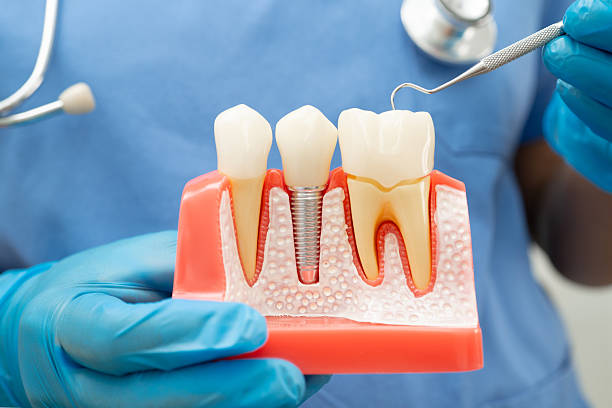
Can Older Adults Get Dental Implants? Age, Bone Health, and Treatment Options in Warrenton, VA
Many older adults assume they’ve missed their chance for dental implants because they’re in their 60s, 70s, 80s, or beyond. That assumption isn’t accurate. There is no universal upper age limit for dental implants in Warrenton, VA.
Dentists evaluate overall health, jawbone condition, and gum health rather than the number on a birth certificate. Dental implants for seniors can be a realistic option, but older adults may have additional factors to consider, including bone health, gum health, medications, and existing medical conditions. This guide focuses specifically on how age intersects with those factors. For a broader look at general dental implant candidacy, our candidacy guide covers the fundamentals that apply to patients of any age.
Is There an Age Limit for Dental Implants?
There isn’t a specific age that disqualifies someone from dental implants. Dentists look at the whole clinical picture instead of a single number.
Chronological Age Alone Does Not Determine Implant Candidacy
A healthy 75-year-old with well-controlled health conditions and good oral hygiene may be a stronger implant candidate than a 40-year-old with uncontrolled gum disease or heavy smoking habits. Age by itself doesn’t predict how someone will heal or how long a restoration will hold up.
Why Overall Health Matters More Than the Number on Your Birth Certificate
What matters more includes:
- How well the body heals after a surgical procedure
- Whether existing health conditions are under control
- Daily oral hygiene habits
- Whether a patient can safely tolerate a surgical procedure
- Long-term commitment to cleaning and maintaining the restoration
Can Patients in Their 70s or 80s Get Dental Implants?
Many patients in their 70s and 80s are good candidates for dental implants when their health and oral condition support the procedure. Senior dental implants aren’t unusual. That said, the decision always depends on an individual evaluation. Age alone doesn’t automatically qualify or disqualify someone from dental implants over 70 or dental implants over 80. Each case gets reviewed on its own merits.
What Makes an Older Adult a Good Candidate for Dental Implants?
Several factors work together to determine implant candidacy in older adults.
Stable General Health
Medical stability matters more than the presence of a chronic condition. A patient whose diabetes or heart condition is well managed may be a good candidate, while the same condition left uncontrolled could raise more concerns.
Healthy Gums or Treatable Gum Disease
Implants need healthy tissue and bone support to succeed. Active gum inflammation or untreated periodontal disease usually needs attention first. Patients dealing with plaque buildup or bleeding gums may need nonsurgical treatment for gum disease before implant placement can move forward.
Enough Jawbone to Support an Implant
Bone quantity, quality, and location in the jaw all factor into whether an implant can be placed as planned, or whether additional steps are needed first.
Ability to Maintain the Implant Long Term
Daily brushing, interdental cleaning, and regular professional visits protect an implant over time. Patients who need help with daily hygiene, whether from a spouse, adult child, or caregiver, can still be good candidates as long as that support is consistently available.
How Does Age Affect Jawbone Health and Dental Implant Planning?
Age doesn’t automatically cause inadequate bones. Several other factors that tend to show up more often in older patients can affect jawbone volume and density, including long-term tooth loss, periodontal bone loss, changes linked to long-term denture wear, and age-related changes in bone metabolism.
Long-Term Missing Teeth Can Lead to Bone Resorption
When a tooth has been missing for years without replacement, the jawbone in that area gradually loses density. This process, called bone resorption, happens because the bone no longer receives stimulation from a tooth root or implant.
Bone Density and Bone Volume Are Different Considerations
Bone density refers to how solid the bone is, while bone volume refers to how much bone is physically present. A patient might have adequate density but limited volume, or the reverse. Both get evaluated separately during a consultation.
When Bone Grafting May Be Discussed Before Implant Placement
If imaging shows insufficient bone, a dentist may discuss a dental bone graft to rebuild the foundation before implant placement, or recommend jaw bone grafting in Warrenton, VA as a preparatory step. Not every patient needs this step. Our guide on factors that affect dental implant costs explains how bone grafting fits into treatment planning and pricing.
Can Osteoporosis Affect Dental Implant Candidacy in Older Adults?
Osteoporosis doesn’t automatically rule out dental implants. Bone health, medication history, and the overall clinical picture need individual assessment.
Why Bone Health Is Evaluated Before Implant Surgery
A dentist reviews bone quality through imaging and medical history before recommending a treatment plan. This helps identify whether standard implant placement is appropriate or whether adjustments are needed.
Why Medication History Matters
Certain medications used to manage bone-related conditions can be relevant to dental treatment planning. According to the American Dental Association, patients taking medication for osteoporosis should let their dentist know before any dental procedure so it can be factored into the treatment plan. This isn’t a reason to avoid care. It’s a reason to make sure your dentist and physician are both informed. Your dentist will discuss your specific situation with you rather than applying a blanket rule.
Do Diabetes, Heart Conditions, or Other Health Issues Prevent Dental Implants?
Having a chronic health condition doesn’t automatically mean implants are off the table. The details of that condition matter more than its label.
Controlled Medical Conditions May Be Different From Uncontrolled Conditions
Two patients with the same diagnosis can have very different risk profiles depending on how well that condition is managed day to day. A dentist looks at recent medical history and current treatment, not the diagnosis alone, when weighing how a health condition might affect implant surgery or healing.
Healing Capacity and Infection Risk Matter
Some health conditions can affect how quickly tissue heals or how the body responds to infection. Your dentist takes this into account when planning the surgical approach and recovery timeline.
Why Your Dentist Needs a Complete Medical and Medication History
A full medical and medication history helps your dental team plan treatment safely. Coordinated communication between your dentist and physician supports better outcomes, especially when multiple health conditions are involved.
Why Gum Health Is Especially Important for Dental Implants in Older Adults
Healthy gums provide the foundation that keeps an implant stable for years. Our guide on why healthy gums matter before getting dental implants covers this topic in more depth; here’s a summary of what matters most for older adults specifically.
Periodontal Disease Can Damage the Tissue Around an Implant
Gum disease doesn’t stop being a risk once an implant is placed. The same bacteria and inflammation that damage natural teeth can affect the tissue and bone surrounding an implant if oral hygiene slips after treatment.
Healthy Gums Support a Stronger, Longer-Lasting Result
Starting implant treatment with healthy gum tissue gives the bone and gums a stable foundation from day one, which supports a more predictable healing process and long-term outcome.
Long-Term Implant Maintenance Helps Protect Supporting Tissues
Ongoing hygiene and regular checkups help protect the gum and bone tissue around an implant well after the initial healing period is complete.
What Tooth Replacement Options Are Available for Older Adults?
Older adults have several tooth replacement paths depending on how many teeth are missing and their individual oral health.
Single Tooth Dental Implants
For one missing tooth, a single tooth dental implant replaces both the root and the visible crown, without altering neighboring teeth.
Multiple Dental Implants
Several missing teeth in one area can sometimes be replaced with multiple implants supporting a fixed bridge, reducing the number of individual implants needed.
Full Mouth and Full-Arch Dental Implants
Patients missing most or all of their teeth may be candidates for full mouth dental implants in Warrenton, VA, or full arch dental implants in Warrenton, VA. Full-arch treatment, including All-on-X dental implant treatment in Warrenton, VA, uses a smaller number of implants to support a complete arch of replacement teeth.
Implant-Supported or Implant-Retained Dentures
Implant-supported dentures in Warrenton, VA attach to implants and stay in place at all times, while implant-retained dentures snap onto implants but can still be removed for cleaning. Both options improve on the stability of traditional dentures compared to a fully removable prosthesis. Patients weighing our denture options against an implant-based approach can review both during a consultation.
Dental Implants vs Traditional Dentures for Older Adults
Older adults weighing tooth replacement options often want to know how implants and dentures compare specifically for their situation.
Consideration |
Dental Implants |
Traditional Dentures |
Stability while eating and speaking |
Fixed in place, minimal movement |
Can shift, especially with harder foods |
Maintenance |
Brush and clean like natural teeth |
Requires daily removal and cleaning |
Effect on jawbone |
Stimulates bone through normal use |
Does not stimulate bone; resorption can continue |
Treatment complexity |
Involves a surgical procedure and healing period |
Non-surgical, generally faster to obtain |
Stability During Eating and Speaking
For older adults who have struggled with slipping or loose-fitting dentures, a fixed implant restoration stays anchored in place during normal chewing and conversation, without the shifting that can come with a removable prosthesis.
Maintenance Requirements
Implants are cared for much like natural teeth, with regular brushing and flossing. Traditional dentures require daily removal, cleaning, and soaking, which can be an added routine for patients managing dexterity changes or relying on a caregiver for daily hygiene.
Bone Stimulation and Jaw Support
Because an implant integrates with the jawbone, it continues to stimulate that bone the way a natural tooth root would. Traditional dentures rest on the gums and don’t provide this stimulation, which means jawbone changes can continue over time for long-term denture wearers.
Treatment Complexity and Personal Health
Implants involve a surgical step that dentures don’t require. For patients with certain health conditions or limited bone volume, this complexity is one more factor to weigh alongside personal goals and daily habits. Our comparison of dentures and implants covers additional considerations beyond age, including cost and long-term value.
How Can Dental Implants Improve Function for Older Adults?
For the right candidate, implants can offer meaningful day-to-day improvements.
Restoring Chewing Ability
A stable tooth replacement can make chewing a wider range of foods more comfortable compared to loose-fitting dentures.
Supporting a More Stable Bite
Implants integrate with the jawbone, which can provide steadier support during normal biting and chewing than a removable prosthesis resting on the gums.
Replacing Teeth Without Relying Entirely on Removable Dentures
Some patients prefer a fixed solution that doesn’t require nightly removal, adhesives, or the adjustments that come with a removable denture.
Restoring Confidence in Everyday Activities
Patients often report feeling more comfortable in social situations once a secure restoration is in place. This is a personal benefit that varies by individual and shouldn’t be treated as a guaranteed outcome.
Are Dental Implants More Difficult to Heal From When You Are Older?
Age by itself doesn’t predict how any individual patient will heal. Overall health, surgical complexity, bone quality, smoking, diabetes control, oral hygiene, and how extensive the procedure is all play a larger role than age alone.
Osseointegration Is Necessary at Any Age
Every implant patient, regardless of age, needs a healing process called osseointegration, where the jawbone fuses to the implant surface. This process is what gives an implant its long-term stability, and it happens the same way whether a patient is 45 or 85.
Healing Time Varies From Patient to Patient
Healing timelines differ based on the individual, not a fixed schedule tied to age. Your dentist will give you a realistic estimate based on your specific treatment plan rather than a generic timeframe. Our typical dental implant recovery timeline walks through what that process generally looks like.
Follow-Up Care Helps Monitor Implant Healing
Scheduled follow-up visits let your dental team check healing progress and address any concerns early.
Are Full Mouth Dental Implants an Option for Seniors With Many Missing Teeth?
Seniors dealing with extensive tooth loss or failing dentition sometimes explore full-arch implant treatment as an alternative to conventional dentures.
When Full-Arch Treatment May Be Considered
This option may come up for patients with extensive decay, failing teeth, or dissatisfaction with removable dentures. Not everyone in this situation needs or wants full-arch implants, and that’s a personal decision made with your dentist.
Why Full-Arch Cases Require Detailed Planning
Full-arch treatment involves careful planning around bone distribution, bite alignment, prosthetic design, how easily the patient can clean around the final restoration, and the patient’s overall health and readiness for a longer procedure.
Why Treatment Goals Matter as Much as Age
Function, comfort, ability to maintain the restoration, how well a patient can tolerate a more involved procedure, and personal treatment goals often carry more weight in this decision than age alone.
What Should Older Adults Expect During a Dental Implant Evaluation?
A dental implant evaluation is designed to gather a complete picture before recommending any treatment plan.
Medical and Medication Review
Your dentist will ask about your dental history along with current health conditions and medications, to understand anything relevant to healing and treatment planning.
Bone and Gum Evaluation
Imaging and a clinical exam assess bone volume, bone density, and gum health in the areas being considered for treatment. Your dentist will also check your bite and review any existing dentures or restorations, since these can affect how a new implant fits into your overall treatment plan.
Digital Implant Planning
Digital implant planning uses imaging and planning tools to map out implant placement with more precision before surgery, reducing surprises during treatment.
Comparing Single-Tooth, Full-Arch, and Denture-Supported Options
Your dentist will walk through which options fit your specific situation, based on the number of missing teeth, bone condition, and your personal goals.
What Questions Should Seniors Ask Before Choosing Dental Implants?
Coming prepared with questions can make a consultation more productive:
- Is my health suitable for implant treatment? This helps you understand how your medical history factors into the plan.
- Do I have enough bone? Bone volume and density directly affect where and how an implant can be placed.
- Is gum treatment needed first? Addressing gum disease before implant placement supports better long-term results.
- Will I need bone grafting? Knowing this upfront helps you plan for the full treatment timeline.
- Which restoration best fits my needs? Single implants, full-arch treatment, and implant-supported dentures each suit different situations.
- How will I maintain the implants? Understanding daily care expectations helps you plan for long-term success.
- What will follow-up care involve? Knowing what to expect after placement reduces uncertainty during healing.
Find Out Whether Dental Implants Fit Your Health and Smile Goals in Warrenton, VA
There is no universal age cutoff for dental implants. What matters is your individual bone health, gum health, medical history, and personal treatment goals, evaluated together during a consultation. Single-tooth implants, implant-supported dentures, and full-arch treatment may each suit different patients depending on their specific needs.
If you’re considering dental implants for seniors in Warrenton, VA, an implant dentist in Warrenton, VA at Yung and Jelinek Family Dentistry can walk you through an individualized evaluation and help you understand which options make sense for your smile and your health. Schedule an implant consultation to discuss your goals and take the next step toward a tooth replacement plan that fits you.
Frequently Asked Questions About Dental Implants for Older Adults
What is the oldest age you can get dental implants?
There is no universal maximum age. Candidacy depends on individual health, bone condition, and gum health rather than a specific birthday.
Can someone in their 70s get dental implants?
Yes, many patients in their 70s are good candidates for dental implants, provided their overall health and oral condition support the procedure.
Can someone in their 80s get dental implants?
Patients in their 80s can be candidates for dental implants. Each case depends on an individual evaluation rather than age alone.
Does osteoporosis prevent dental implants?
Osteoporosis doesn’t automatically prevent dental implants. Bone health, medication history, and overall clinical circumstances need individual assessment with your dentist.
Can seniors with dentures switch to implant-supported teeth?
Many denture wearers can transition to implant-supported or implant-retained options, depending on their bone health and oral condition. A consultation can confirm whether this path fits your situation.
Are dental implants worth considering later in life?
This depends on your personal goals, health, expected maintenance, and desired function. Some patients value the stability implants offer, while others are satisfied with well-fitted dentures. There’s no single right answer for every patient.
How long do dental implants take to heal in older adults?
Healing time varies from patient to patient based on individual health and the complexity of treatment, not on age alone. Your dentist can give you a personalized estimate based on your specific plan.

Categories: Restorative Dentist | Published: August 26, 2026
